
Branded Dropshipping: 4 Stages From Generic Store to Real Brand
Quick answer: Branded dropshipping means customers see your brand, not a supplier's, everywhere they meet you: the store, the parcel and the product. You don't have to do it all at once, and you shouldn't. Most stores move in four stages: test generic products in neutral packaging, then brand the parcel with an insert and a printed mailer, then put your logo on the product itself, and finally change the product so only you sell it. Each stage costs more upfront and is harder for competitors to copy. Let sales, not ambition, decide when you move to the next one.
What "branded" means here, and what it doesn't
A branded dropshipping store sells products under its own name. It does not mean reselling famous brands. Selling another company's branded goods requires that company's authorization, and putting a well-known logo on unauthorized goods makes them counterfeit, which gets stores and payment accounts shut down.
A brand is simply what customers recognize and come back for: a name, a consistent look, packaging that matches the store, and products that arrive the same way every time. Everything below is about building those things in an order that doesn't burn cash.
The four stages at a glance
| Stage | What the customer sees | What you need | Upfront spend | Move on when |
|---|---|---|---|---|
| 0. Test | Your store, a neutral parcel | Product links and an agent who ships without supplier paperwork | Only the orders themselves | A product sells steadily and you want to put more ad money behind it |
| 1. Brand the parcel | Your mailer and your card | Stock held at your agent's warehouse, printed packaging | A first stock batch and a packaging run | Customers start reordering, or copycat stores appear |
| 2. Brand the product | Your logo on the product, label or tag | A factory that prints or labels, a name you are free to use | Logo setup, a minimum batch, a higher sourcing fee | The product is a regular reorder and worth protecting |
| 3. Own the product | A product, bundle or version only you sell | Product changes, samples, possibly an overseas warehouse | Development quote, larger batches, freight | Stay here and expand the range |
Stage 0: test with neutral packaging
At this point the goal is finding out what sells, not building a brand. Branded packaging for a product you might drop next month is wasted money.
Even so, set a few minimum standards from day one, because they cost nothing:
- No supplier invoices, price tags or another store's flyers in the parcel.
- Multi-item orders sent as one parcel where possible, not three parcels from three sellers.
- Tracked shipping on every order, so you can answer "where is my order?" yourself.
Watch two things: which products sell steadily, and which ones generate complaints. A product with a high complaint rate is not worth branding at any volume.
Stage 1: brand the parcel
Once a product earns its place, buy a small batch and keep it in your agent's warehouse. That one change unlocks branding, because packaging can now be stored next to your stock and used on every order. It also speeds things up: stocked orders can leave the warehouse within a day instead of waiting several days for the item to be bought.
Start cheap and visible:
- An insert card. Small minimums, easy to redesign, works in any bag. See how to design and print thank-you cards.
- A printed mailer in one or two sizes that fit your best sellers.
- A custom box only for products where the unboxing is part of the appeal.
The options, the ordering steps and how to cost them are in our custom packaging guide. Keep the first packaging run in line with how fast the product actually sells; a big run with a low unit price is still expensive if half of it ends up on a shelf.
Stage 2: brand the product
Packaging gets thrown away. A logo on the product stays in the customer's kitchen, gym bag or bathroom. This is where private label begins.
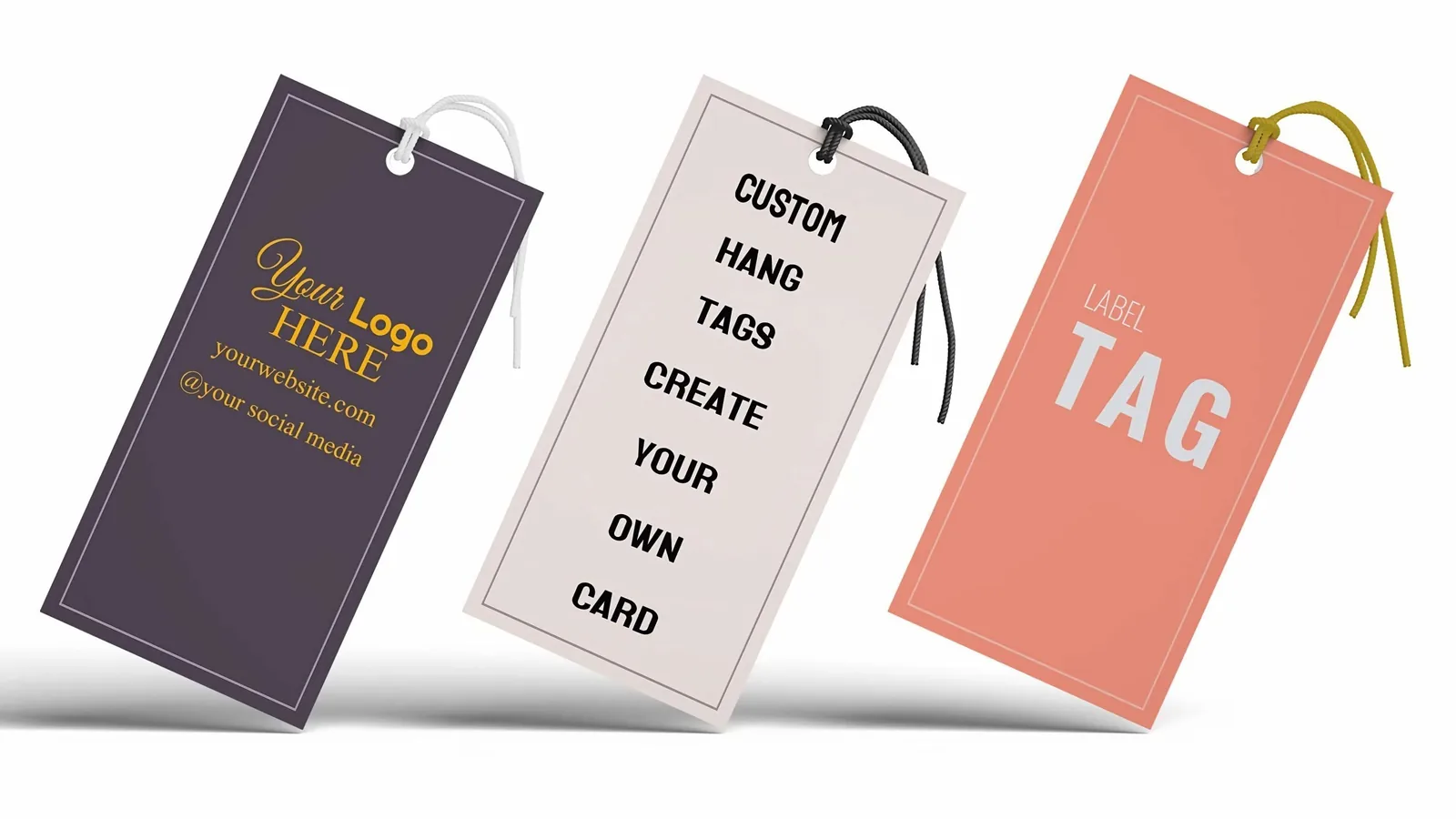
Common ways to put your brand on the product:
- A printed or engraved logo on the item.
- Your own label or sticker on bottles, jars and boxes.
- Woven neck labels and hang tags for clothing.
- A branded retail box for the product, separate from the shipping mailer.
Before you print anything, check that your brand name is free to use in your main markets and consider registering it. A name you have to abandon after printing a few thousand labels is an expensive lesson.
Remember too that the name on the label is the company regulators come to if something goes wrong. For cosmetics in the US, for example, the business named on the label is the "responsible person" under FDA rules. We cover what that means, step by step, in our private label dropshipping guide, including a fee calculation.
On cost: logo printing usually comes with a minimum batch from the factory, and at PackQuay private label and branding add 2.5% to the sourcing fee. Labels applied in our warehouse are billed at $7 per person per hour.
Stage 3: own the product
Stage 2 still sells a product other stores can buy from the same factory with a different logo. Stage 3 makes it yours:
- Change the product. A different color, material, size or a small feature fix based on what your customers complain about.
- Build bundles. A starter kit or gift set that combines products you already sell. Bundles are hard to compare on price because nobody else sells that exact set.
- Move bestsellers closer to customers. Shipping a steady seller in bulk to an overseas warehouse gives 1–5 day delivery. For the US it also means duties are handled per shipment rather than per parcel, which matters now that every parcel from China owes duties.
If you are unsure whether you need a truly exclusive product or just your logo on a standard one, read private label vs. white label first.
Mistakes that stall the upgrade
- Branding before the product is proven. Packaging and labels for a product you stop selling are pure loss.
- Chasing the lowest unit price. Bigger runs cut the price per piece but tie up cash and shelf space.
- Using a name you haven't checked. A trademark dispute can force a rebrand after you've paid for everything.
- Skipping quality control. A branded box makes a faulty product look worse, not better, because now it carries your name.
- Branding everything at once. Brand your top sellers first; leave slow movers in neutral packaging.
How PackQuay supports each stage
One account manager on WhatsApp handles every step, from your first neutral-packed order to private label batches. We source from factories, inspect 20% of each batch free, store your stock in our Xinxiang warehouse (free for the first 2 months and while you have orders to process), and pack with your mailers, boxes and inserts. Private label and kitting are done in-house, and bestsellers can move to one of 18+ overseas 3PL warehouses. The full list of branding options is on our packaging and branding page.
Tell us where your store is today on WhatsApp, and we'll suggest the next step that fits your volume.
FAQ
What is branded dropshipping?
It is dropshipping under your own name: your agent keeps the stock and ships each order, but the parcel and the product carry your brand, packaging and inserts instead of a supplier's.
Can I sell famous brand products through dropshipping?
Only with the brand owner's authorization. Selling unauthorized branded goods, or putting a well-known logo on generic items, is counterfeiting and gets stores and payment accounts closed. Build your own brand instead.
When should I start branding my dropshipping store?
Start with neutral packaging while testing, then brand the parcel once a product sells steadily and you plan to scale it. Put your logo on the product itself only when it has become a regular reorder.
How much does it cost to brand dropshipped products?
Packaging is quoted per design and quantity, and logo printing usually has a factory minimum batch. At PackQuay, private label and branding add 2.5% to the sourcing fee, and labelling or kitting in the warehouse costs $7 per person per hour.
Do I need to hold inventory for branded dropshipping?
You need stock, but not your own warehouse. Branded packaging and products must be prepared in advance, so you buy a batch and your agent stores it and ships each order.