Direct-to-Consumer Fulfillment: What a D2C Warehouse Must Do
Quick answer: Direct-to-consumer (D2C or DTC) fulfillment means a brand ships each order from its own stock straight to the person who bought it, instead of selling through wholesalers and shops. The warehouse behind a D2C brand has a different job from a wholesale warehouse: it picks single units, packs them in the brand's packaging with its inserts, gives every customer a working tracking number, handles returns and serves every channel the brand sells on from one pool of stock. For brands whose products are made in China, the big 2026 decision is where that warehouse sits: near the factory, near the customers, or both.
D2C vs wholesale fulfillment
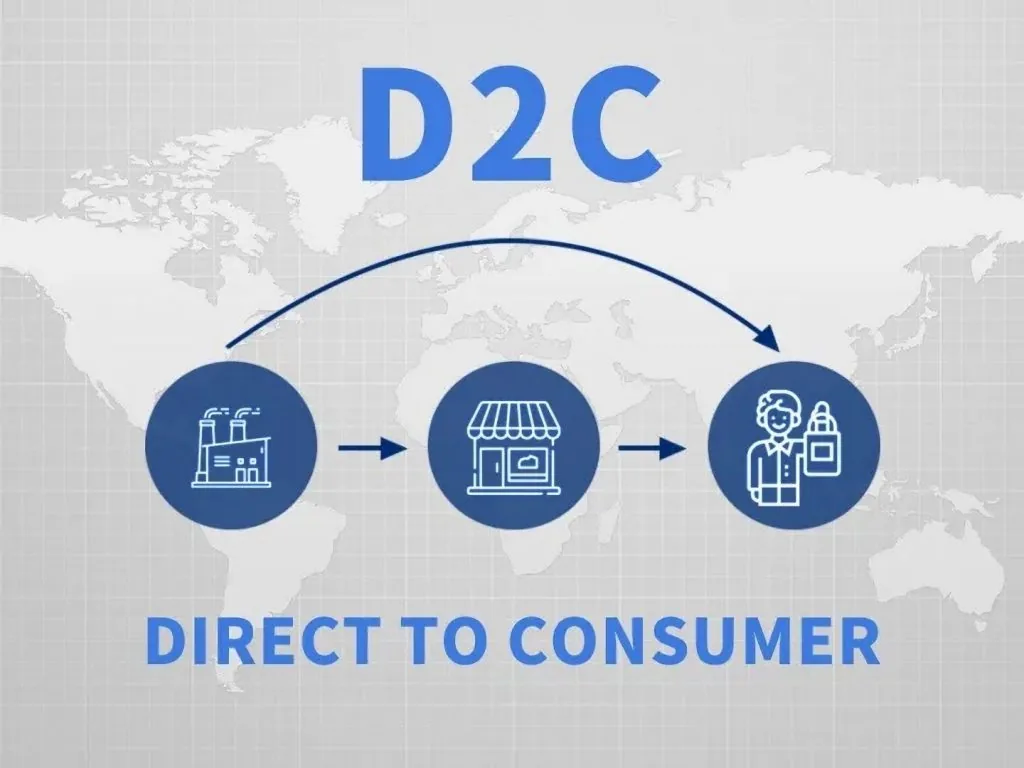
Cutting out the middlemen moves their work onto you. In wholesale, a retailer receives a pallet and deals with shoppers. In D2C, every shopper is your direct problem, one parcel at a time.
| Wholesale fulfillment | D2C fulfillment | |
|---|---|---|
| Order size | Cartons and pallets | One to a few units |
| Who opens the box | A buyer at a shop or distribution center | Your customer, often on camera |
| Packaging job | Protect the goods in transit | Protect the goods and present the brand |
| Tracking | One shipment reference for the retailer | A tracking number per customer, and questions when it stalls |
| Returns | Handled by the retailer, settled in bulk | Come back to you, one by one |
| What you learn | Sell-in numbers from the retailer | Who bought what, where, and how often they come back |
That last row is why brands go direct. The cost is that fulfillment becomes part of your customer experience, so the warehouse you pick is part of your brand. For what separates a brand from a generic store, see what an ecommerce brand is.
Seven things a D2C warehouse must get right
Use this as a checklist when you choose or review a fulfillment partner:
- Single-unit accuracy. A wrong shade or size is not just a reship; for a D2C brand it is a one-star review with your name on it. Ask how picks are checked.
- Branded packing. Your mailer or box and your insert card, packed the same way every time. Ask for a photo of a packed sample order before launch. Our packaging and branding page shows the options, and custom thank-you cards covers inserts.
- One parcel per order. If a customer buys a cleanser and a serum, they should get one box. Split parcels look careless, cost more, and from China mean two customs entries.
- Tracking for every customer. Each order needs a working tracking number shared as soon as the parcel moves, because "where is my order?" is the most common D2C support question.
- Bundles, kits and gifts. Sets, gift-with-purchase offers and samples are core D2C tactics. The warehouse needs to build kits and add the right extra item to the right orders. We cover this side in marketing fulfillment.
- One stock pool for every channel. D2C brands rarely sell in one place. Orders from your website, a marketplace and a social shop should all draw on the same counted stock, or you will oversell on one and sit on dead stock for another.
- A plan for returns and damage. Decide in advance which returns come back, which are refunded without a return, and how damaged parcels are claimed and replaced.
Signs fulfillment is costing you customers
- "Where is my order?" messages make up a large share of your support inbox.
- Reviews mention crushed boxes, missing items or a product that looks different from the photos.
- Customers who buy two items often receive two separate parcels.
- First orders convert well but repeat orders are rare, and the unboxing may be the weak link.
Each sign maps back to one of the seven points above. Fix that point first instead of changing everything at once.
Where should a D2C brand ship from in 2026?
Since the US ended duty-free entry for low-value parcels from China and Hong Kong in May 2025 (and for all countries that August), every D2C parcel from China owes US duty. That doesn't rule out shipping from China, but it changes the math. (For how origin and destination fulfillment centers differ inside, see what an ecommerce fulfillment center is.)
| Ship each order from China | Ship from a warehouse in your market | |
|---|---|---|
| Delivery time | Depends on the shipping line | Short domestic delivery |
| Duties | Paid per parcel | Paid once, on the bulk shipment |
| Cash in stock | Low; top up from factories in days | Higher; ship larger batches ahead of demand |
| Best for | Launches, wide ranges, slower sellers | Hero products that sell every day |
Many D2C brands run both: launch and test from China, then move proven products closer to customers. Whichever route you choose, price on landed cost (product, shipping, duty and fulfillment fee), and ship with duties prepaid (DDP) so your customer never gets a bill at the door. We compare the setups in four fulfillment setups and how to combine them.
What D2C fulfillment costs per order: an example
Example only, using PackQuay's published pick-and-pack rates, which drop as your paid orders for the day (Beijing time) pass each tier:
- A day with 60 single-item orders: orders 1–19 at $2.00, 20–49 at $1.70 and 50–60 at $1.50. Total $105.50, or about $1.76 per order.
- One of those orders contains two different products (say, a cleanser and a serum) and arrives as the 30th order of the day: $1.70 plus $0.85 for the extra SKU, so $2.55.
- Custom boxes and insert cards are quoted per design and quantity; shipping is charged at cost for the line you choose; duty depends on the product and its declared value.
Put those together and your per-order fulfillment cost is: pick and pack + packaging + shipping + duty. Add product cost to get landed cost, which is the number your price must cover with room for ads and returns.
How PackQuay supports D2C brands
We run D2C fulfillment from our own warehouse in Xinxiang, Henan, with sourcing, inspection and packing done by our team. Products can be private-labeled, packed in custom boxes with insert cards, and bundled into kits (kitting and assembly at $7 per person per hour). Multi-item orders leave as one parcel, and stocked orders ship within 24 hours, or 48 at peak. Message us on WhatsApp and we connect your Shopify or WooCommerce store for you. Orders come in automatically, and tracking numbers go back to your store once parcels ship. You can also send orders as a CSV or Excel file. When a hero product takes off, it can move to one of 18+ overseas 3PL warehouses for 1–5 day delivery. See pricing, or talk to us on WhatsApp.
FAQ
What is D2C fulfillment?
It is the storing, packing and shipping of orders that a brand sells directly to consumers through its own channels, without wholesalers or shops in between. Each order goes from the brand's stock straight to the buyer.
What is the difference between D2C and B2B fulfillment?
B2B fulfillment ships cartons and pallets to businesses such as shops and distributors. D2C fulfillment ships single orders to consumers, so it needs unit picking, branded packing, a tracking number per customer and returns handling.
Can a D2C brand ship directly from China?
Yes. It keeps cash in stock low and suits launches and wide ranges. Since 2025 every US-bound parcel from China owes duty, so price on landed cost and ship with duties prepaid; move daily best-sellers to a warehouse in your market when the volume justifies it.
How much does D2C fulfillment cost per order?
It is the sum of pick and pack, packaging, shipping and duty. At PackQuay, pick and pack starts at $2.00 per order and falls to $1.00 as daily order volume rises, with small extra fees for additional SKUs or units in the same order.
Do D2C brands need custom packaging?
It isn't required, but the box is often the first physical contact a customer has with your brand. Even a printed mailer and an insert card make a D2C order feel like it came from a brand rather than a warehouse.