
6 Ecommerce Branding Strategies a Small Store Can Run in 2026
Quick answer: The six ecommerce branding strategies that work for a small store are: 1) pick one clear customer and one promise, 2) build a small identity kit and use it everywhere, 3) brand the unboxing, 4) put your name on the product once it has earned it, 5) collect honest proof such as real videos and reviews, and 6) treat delivery as part of the brand. The first two cost little more than your time, so they come first. Packaging and product branding cost money, so they wait until a product sells. Proof and delivery start with the first order and never stop.
For a small store, branding is a set of decisions, not a logo
Big companies spend on awareness. A small store can't, and doesn't need to. When you sell a handful of products through Shopify, WooCommerce or TikTok, branding means making the same few choices every time a customer meets you: who you are for, how you look and sound, what arrives at the door and what happens when something goes wrong. Make those choices consistent and customers start to remember your name instead of the ad that brought them.
The six strategies below are ordered by when to start them, not by importance. For each one you'll see what it costs and what you need from your supplier to pull it off.
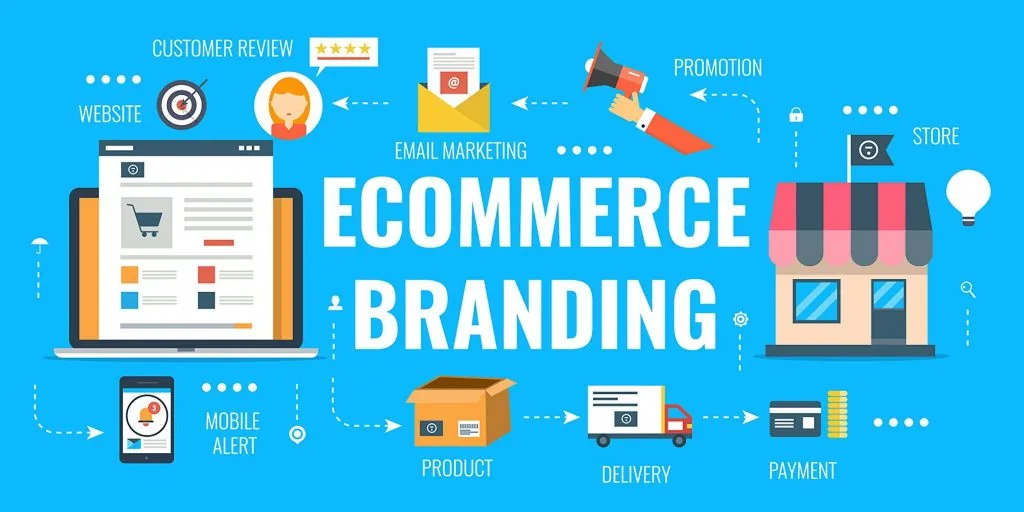
The six strategies at a glance
| Strategy | Upfront cost | When to start | What you need from your supplier |
|---|---|---|---|
| 1. One customer, one promise | Your time | Before launch | Nothing |
| 2. A small identity kit | Low, plus a trademark filing once you commit | Before launch | Nothing yet |
| 3. Branded unboxing | Medium: printed mailers and inserts | Once a product sells steadily | A warehouse that packs your orders with your materials |
| 4. Your name on the product | Higher: printing, factory minimums, stock | When a product is a proven seller | A factory that can print or label, plus inspection |
| 5. Honest proof | Low to medium | From the first order | Real units to film and photograph |
| 6. Delivery as part of the brand | Built into every order | From the first order | Reliable dispatch, live tracking, duties-paid shipping |
1. Pick one customer and one promise
A brand is far easier to build when you can say who it serves in one sentence. "Kitchen gadgets" is a category. "Space-saving kitchen tools for people cooking in small rented apartments" is a customer with a problem. That sentence tells you which products to add, which to skip, what your photos should look like and which creators to approach.
Write it as a fill-in line and keep it where you'll see it every day: For [customer] who [problem], [brand] offers [product type] that [the one thing you promise]. The promise has to be something your supply chain can actually deliver, such as checked quality, quick dispatch or a product that fixes one annoyance well. If a new product doesn't fit the line, it probably belongs in a different store.
2. Build a small identity kit, then use it everywhere
You don't need an agency. You need a short kit that anyone, from a freelancer to your warehouse team, can follow without asking you:
- A name you can keep. Before you fall in love with it, check that a usable domain and the social handles are free, and search the USPTO trademark database for similar marks on similar goods.
- A logo in two versions: the full logo, and a simple mark that still reads when it is printed small on a label or a mailer.
- Two or three colors and one or two fonts, written down with their exact codes.
- Voice rules: three adjectives for how you write, plus a short list of words you never use. Apply them to product pages, emails and the card in the box.
Once the name is proving itself, register it. In the US, the USPTO base application fee is $350 per class of goods, with extra charges if the application is incomplete or uses free-text descriptions. A registered or pending trademark is also what Amazon asks for before a brand can join Brand Registry.
3. Brand the unboxing
The parcel is the one moment you have a customer's full attention without paying for it. Most stores build it up in this order: an insert card first (cheap, and you can change the message every print run), then a printed mailer, then a custom box for products where presentation matters, such as gifts. The insert is the natural home for a next-order code or a review request; our guide to custom thank-you cards covers wording and print specs.
This only works if your stock sits in a warehouse that packs your orders with your materials. A marketplace seller shipping one parcel at a time will use its own bag, and sometimes slip in its own flyer. Our packaging and branding service keeps your mailers, boxes and inserts next to your stock and assigns them per SKU, so every order for that product goes out the same way.
4. Put your name on the product when it has earned it
Printing your logo on the product, or having a factory make it to your specification, is where branding starts to cost real money. Factories set minimum batches for logo printing, moulds and custom colors, and once the batch is made, the stock is yours. Do it for products with proven repeat sales, not for products you are still testing. The full path from generic goods to a product only you sell is laid out stage by stage in our guide to branded dropshipping.
Your name on the product also brings legal duties. Under the US Consumer Product Safety Act, an importer counts as a manufacturer, so the business importing a product answers for its safety certificates, hazard reports and recalls. Imported goods also have to show their country of origin in English, such as "Made in China", where the buyer can see it. Build both into your label artwork from the first batch rather than fixing it later.
5. Collect honest proof
Shoppers trust what they can see. Three kinds of proof are worth building from your first order:
- Real product video. Film actual units from your own stock, showing size, texture and the product in use. It beats supplier footage that ten other stores are running in their ads.
- Customer content. Invite buyers to share photos, and send samples to creators who match your customer and let them say what they really think.
- Reviews from every buyer. Ask all customers, not only the ones you expect to be happy. Since October 2024, the FTC's rule on consumer reviews has banned fake reviews, bought reviews and rewards tied to a particular opinion or star rating, with civil penalties for each violation.
Proof also improves the product. When reviews keep naming the same weakness, you know exactly what to fix in the next batch.
6. Make delivery part of the brand
For a store shipping from China, the delivery is often the brand experience. A lovely box that arrives weeks late with a customs bill attached builds nothing. Four things matter most:
- A delivery promise you can keep. Quote transit times by shipping line and show them on the product page.
- Duties paid. The US $800 duty-free threshold no longer covers parcels from China. It ended for China and Hong Kong in May 2025 and for every country in August 2025, US Customs made the suspension indefinite in June 2026, and the law repeals it permanently from July 1, 2027. Ship duties paid so the customer never pays at the door.
- One parcel per order. Multi-item orders should arrive together, in your packaging.
- Fast fixes. A replacement sent without an argument is remembered longer than the original order.
A quarterly brand check
Once a quarter, buy from your own store the way a customer would, then go through this list:
- Does the homepage make clear who the store is for within five seconds?
- Are the logo, colors and fonts identical on the store, ads, emails and packaging?
- Does every product still fit your one-sentence promise?
- Did the parcel arrive in your packaging, with the right insert?
- Was the tracking number live when the shipping email arrived?
- Did delivery land inside the time the product page promised?
- Was the customer asked to pay any duty or fee on delivery?
- Are your newest reviews from real buyers, and have you answered the critical ones?
How PackQuay helps
We run our own warehouse in Xinxiang, China, so your branding is applied in the same building where your orders are packed. Mailers, custom boxes and inserts are quoted per design and volume, stored with your stock and applied per SKU. Private label and branding add 2.5% to the sourcing fee, 20% of every batch is inspected free, and stocked orders leave within 24 hours (48 at peak). Share your product and packaging ideas on WhatsApp and we'll quote what each step adds to your cost per order.
FAQ
What are the most important ecommerce branding strategies for a small store?
Start with the cheap ones: a clear customer and promise, and a consistent name, logo, colors and voice. Add branded packaging once a product sells steadily, and put your logo on the product only when it is a proven seller. Honest reviews and a reliable delivery experience support everything else.
How much does it cost to brand an ecommerce store?
The identity basics cost mostly time. A US trademark application starts at $350 per class of goods at the USPTO. Printed mailers, boxes and inserts are quoted by design and quantity, and printing on the product usually comes with a factory minimum batch, so budget for those once a product has proven demand.
Do I need custom packaging to build a brand?
Not on day one. An insert card in a plain mailer already makes the parcel feel like yours. Move to printed mailers or boxes once orders are steady, because printed packaging is bought in batches.
Can a dropshipping store become a brand?
Yes, and many online brands start exactly that way. The move usually happens step by step: an insert card, then printed packaging, then your logo on the product and finally a product made to your specification. Each step needs your stock to sit with a partner that packs your orders.
Can I ask customers for reviews in the parcel?
Yes, and you should ask every customer for an honest review. In the US, the FTC's consumer reviews rule, in force since October 2024, bans fake and bought reviews and rewards for reviews that express a particular opinion. Marketplaces may have stricter rules of their own.