What Are Dropshipping Suppliers? Types and How to Find Good Ones
Quick answer: A dropshipping supplier is a business that holds the products you sell and ships each order directly to your customer when you make a sale, so you never handle stock. There are five common types: marketplace sellers (for example on AliExpress), dropshipping catalog platforms, wholesalers and distributors with a dropship program, manufacturers that ship single orders, and China dropshipping agents that buy from factories and ship from their own warehouse. Find candidates on marketplaces, B2B sites such as 1688 and Alibaba, at trade fairs or through an agent. Then vet them with a checklist and place test orders to your own address before you spend anything on ads.
What a dropshipping supplier does, and what it doesn't
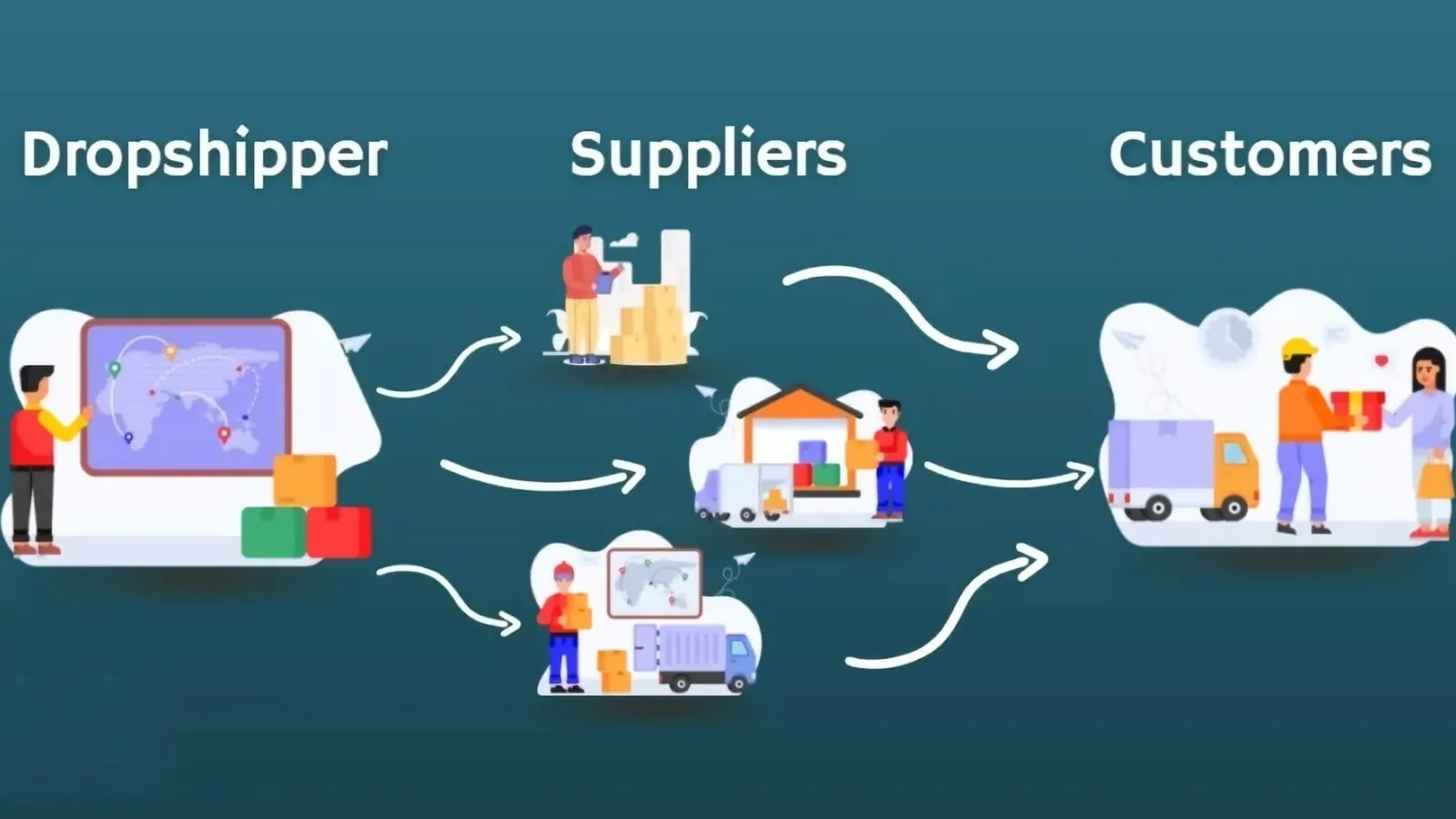
A supplier's job ends where your store's begins.
- The supplier keeps the stock, packs each order, hands it to a carrier and gives you the tracking number.
- You choose the products, set the price, run the marketing, answer customers and decide on refunds.
Anything in between, such as inspection, branded packaging, combining items from several factories into one parcel or prepaying duties, depends on the type of supplier. That's why the type matters as much as the price.
The five types of dropshipping supplier
| Type | Where you find them | Strengths | Weaknesses | Best for |
|---|---|---|---|---|
| Marketplace sellers | AliExpress and similar marketplaces | Huge range, no setup, no minimums | Retail prices, their packaging, one parcel per seller | Testing products |
| Catalog platforms | Dropshipping apps that list many sellers' products | Fast import of listings into your store | Quality and stock depend on each listing seller | Testing a wide range quickly |
| Wholesalers and distributors | Their own dropship programs, often in your country | Faster domestic delivery, established brands | Higher prices, little branding, sometimes account fees | Branded goods, fast-delivery niches |
| Manufacturers | B2B sites, trade fairs | Lowest unit price, product changes possible | Most don't ship single orders; minimum orders apply | Stores with steady volume |
| China dropshipping agents | Direct, by referral | Factory prices, inspection, branding, combined parcels | Need enough orders to be worth setting up | Stores with daily orders |
If you're buying from China, the names on 1688 and Alibaba can be factories, trading companies or wholesalers; our guide to wholesalers, distributors and suppliers shows how to tell them apart. For the main kinds of China-based dropshipping business, see Chinese dropshipping companies.
Where to find them
- Marketplaces. Search the product, then compare sellers on store age, rating, review photos and stated handling time. Good for a first test, not a long-term supply.
- 1688. China's domestic wholesale site, with prices close to the factory. It's in Chinese and sellers ship within China, so overseas buyers usually go through an agent. Our 1688 guide explains how it works.
- Alibaba. The international B2B site. Built for bulk orders, with minimums, but a good way to find and contact manufacturers.
- Trade fairs. The Canton Fair in Guangzhou runs every spring and autumn in three phases, each covering different product groups. You can handle products and meet many factories in a few days.
- Wholesaler programs in your market. Search "[product] wholesale dropship" and look for a dedicated dropship section with written terms.
- Sourcing agents. Send a product link and the agent finds the factory and quotes. See our guide to a sourcing agent for dropshipping.
The 10-point vetting checklist
Ask every candidate these questions in writing, and keep the answers.
- Handling time. How long from your order to the parcel leaving? Get a number, not "fast".
- Stock reliability. How do you find out an item is out of stock before your customer pays for it?
- Tracking. When and how do you get the tracking number for each order?
- Packaging. Will parcels be neutral or carry your branding? No supplier flyers and no invoices showing their prices.
- Quality checks. Is anything inspected before it ships? How much, and can you see photos?
- Defects and returns. What happens when an item arrives damaged or faulty, and who pays for the replacement?
- Landed cost. Can they quote product, shipping and duty to your main market, per order?
- Multi-item orders. Will two items in one order arrive in one parcel?
- Communication. Is there a named person to message, and in which hours?
- Fees. Is there a full fee list? Watch for monthly memberships, setup fees and charges that only show up on the invoice.
Red flags
- Prices far below everyone else's for the same product.
- Payment only to a personal account.
- No straight answer on where the goods are stored.
- Product photos that are clearly another brand's.
- Pressure to commit to a large order before any test.
Test before you advertise
A supplier's answers are a promise. A test order is evidence. Before you put ad money behind a supplier:
- Place two or three orders to your own address, or a friend's, in your main market.
- Note the date of each step: order, dispatch, first tracking event, delivery.
- Check the parcel: packaging, any supplier material inside, the product against the listing photos and measurements.
- Note whether anyone asked for duty or fees at the door.
- Send a question and time the reply.
Compare the results with what the supplier told you. The gaps tell you more than the answers did. Then use the same dates to set the delivery window on your product pages.
One supplier or several?
Using a different supplier for each product is easy at the start, but every extra supplier means another parcel, another tracking number and another set of answers to chase. As orders grow, consolidate: fewer suppliers, ideally one warehouse that packs everything, plus a backup source for your best seller. How the whole chain fits together is in our guide to the dropshipping supply chain.
Where PackQuay fits
PackQuay is a China dropshipping agent with its own warehouse in Xinxiang, Henan. We buy from factories, inspect 20% of every batch free, pack in neutral or branded packaging and combine multi-item orders into one parcel. Pick and pack starts at $2.00 per order, sourcing fees start at 10% of the goods and fall with larger purchases, and there's no subscription. Test us the same way you'd test anyone: send two or three product links on WhatsApp and ask for a landed-cost quote. All rates are on our pricing page.
FAQ
What is a dropshipping supplier?
A business that keeps products in stock and sends each of your orders straight to the buyer, so you never handle the goods. It can be a marketplace seller, a wholesaler, a manufacturer, a catalog platform or a dropshipping agent.
How do I find reliable dropshipping suppliers?
Look on marketplaces, B2B sites such as 1688 and Alibaba, at trade fairs or through a sourcing agent. Vet them on handling time, stock, tracking, packaging, quality checks and landed cost, then place test orders to your own address.
Are AliExpress sellers good dropshipping suppliers?
They're a reasonable way to test a product because there are no minimums. For a product that sells every day, you'll usually get better prices, consistent quality and your own branding from a factory through an agent.
Should I pay a monthly fee to a dropshipping supplier?
Be careful. Many suppliers charge per order with no subscription. If a supplier asks for a membership fee, find out exactly what it covers and compare the total cost per order with alternatives.
How many suppliers should a dropshipping store use?
As few as you can. Each extra supplier adds parcels, tracking numbers and contacts. Many stores test with several and then consolidate their best sellers with one warehouse, keeping a backup source for the top product.