High-Ticket Products From China: QC, Packing, Insurance, Returns
Quick answer: High-ticket products, roughly anything that sells for $200 or more (projectors, espresso machines, massage devices, robot cleaners, premium furniture pieces), earn more per order but turn every mistake into a big loss. One damaged or faulty unit can wipe out the profit from several good orders, and sending it back to China rarely makes sense. So the sourcing rules change: inspect and power-test every unit instead of a sample, record serial numbers, double-box for the trip, raise carrier coverage above the default, check electrical compliance such as FCC authorization before you buy, and plan in advance how you'll handle returns and repairs in the customer's country.
What changes when the price goes up
| Low-ticket ($10–$40) | High-ticket ($200+) | |
|---|---|---|
| Inspection | Sample a share of each batch | Check and test every unit; record serial numbers |
| Packaging | Mailer or single box | Retail box inside a shipping carton, with corner and edge protection |
| Loss or damage | Reship and move on | Each claim matters; declared value and proof of condition needed |
| Returns | Often refund without return | Product too valuable to write off, too costly to ship back to China |
| Payment disputes | Small losses | Large single losses; evidence decides the outcome |
| Compliance | Usually simple | Often electrical: FCC, plugs, batteries |
None of this makes high-ticket sourcing a bad idea. It means the margin has to pay for stricter processes, and you should price those in from day one.
Choose products that survive the trip
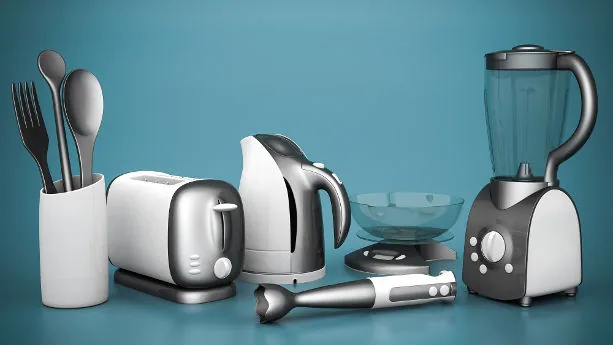
- Durable over delicate. Products with large glass panels, exposed screens or fragile finishes are expensive to protect. Look for robust housings and replaceable parts.
- Repairable over disposable. If the most common fault (a remote, a filter, a power adapter, a brush head) can be fixed with a spare part, you can ship a small part instead of a whole new unit. Ask the factory for a spare-parts list and price before you order.
- Simple over smart, at first. App-connected products depend on the factory's app and servers. If those disappear, your customers' devices stop working, and they come back to you.
- Plug and voltage. US products need 120V/60Hz and US plugs. A factory that mainly sells in China may only offer 220V versions.
Check compliance before you pay a deposit
Many high-ticket products are electronics, and electronics sold in the US are regulated by the FCC:
- Wi-Fi and Bluetooth products need FCC certification. Ask for the FCC ID and look it up in the FCC's equipment authorization database to check it matches the product.
- Digital electronics without radios generally use the Supplier's Declaration of Conformity route, and the responsible party must be located in the US. For imports, that is typically the importer. Ask the factory for its FCC test report so you have it on file.
- Rules are tightening. The FCC has stopped recognizing test labs it links to foreign adversaries, and in 2026 it added foreign-made routers to its Covered List. If you sell wireless products, check the current rules before testing or filing.
- Lithium batteries in cordless products need transport test documents and a shipping line that accepts them.
Product-specific rules apply on top: food-contact rules for coffee machines and air fryers (see our kitchenware guide), tip-over rules for tall furniture, and so on. Collect the documents before you send money, not after goods are packed.
Inspection: test every unit
With a $10 item, a 20% sample tells you enough. With a $300 item, every faulty unit you ship costs you the product, two-way shipping and probably a bad review. A full check for high-ticket goods usually covers:
- Power-on and function test. Run a full cycle: brew, project, spin, heat. Check all modes and buttons.
- Serial numbers. Record each unit's serial number against the order it ships on. It speeds up warranty claims and settles "you sent me a used unit" disputes.
- Cosmetic check. Scratches, dents, misaligned panels and dust inside screens or lenses.
- Accessories and manuals. Remote, cables, adapters, English manual and warranty card all present.
- Photos of the packed unit. A photo of the unit in its box, with the serial label visible, is strong evidence if a customer later claims damage or a wrong item.
Our default 20% inspection is free; testing every unit is extra inspection at $7 per person per hour. If each unit takes about 10 minutes to test, 100 units is roughly 17 hours, or about $119, which works out to around $1.20 per unit. On a $300 product, that's cheap insurance. More on our product inspection page.
Packing for a long trip
- Double-box. The factory retail box is designed to look good on a shelf, not to survive a cross-border parcel network. Put it inside a sturdy outer carton with padding on all sides.
- Protect corners and screens. Use corner protectors and a rigid panel over any screen or glass.
- Immobilize moving parts. Lock or tape lids, trays and arms so they can't rattle loose.
- Use plain outer cartons. A box printed with a recognizable product name can draw attention in transit; a plain carton with your branding inside is safer.
- Drop-test once. Pack one complete order and drop it on each face and corner before you launch.
Insurance and proof of delivery
Default carrier coverage is low compared with a high-ticket product. UPS and FedEx, for example, include $100 of liability per package by default and charge extra for a higher declared value, and declared value is not the same as insurance. Cross-border shipping lines from China set their own compensation rules, so ask what each line pays for loss or damage before you choose it. Three habits help:
- Declare the real value or add shipping insurance on expensive orders, and keep the invoice.
- Use tracked services with delivery confirmation, and consider signature on delivery for the most expensive orders.
- Keep the packing photo and serial number with each order record.
Evidence matters for payment disputes too. PayPal Seller Protection, for example, does not cover "significantly not as described" claims, so for those your listing, photos and serial records are your case.
Returns: plan before the first sale
Shipping a $300 espresso machine back to China costs a lot, takes weeks and still leaves you with a used unit. Decide in advance:
- Troubleshoot first. Many "faulty" returns are setup problems. A short video guide and a quick reply on chat save a lot of returns.
- Send parts, not products. Keep common spare parts in stock and ship the part instead of a replacement unit where you can.
- Use a local returns address. Once a product sells steadily, stocking it in a warehouse in the customer's country cuts delivery to 1–5 days and can give you somewhere local to send returns. Ask the warehouse whether it can receive, check and restock returned units.
- Write a clear warranty that says what's covered, for how long and how claims work.
Our guide to getting fewer refund requests covers listings and customer service in more detail.
Worked example: a first batch of 100 units
Say you buy 100 portable projectors at $120 each, $12,000 in goods:
- Sourcing fee: $12,000 falls in our third tier at 8%, so $960.
- Full functional test: about 17 inspector-hours at $7, roughly $119.
- Pick and pack: on a day with fewer than 20 orders, $2.00 per single-unit order; if the outer carton or an accessory pack is stocked as a separate SKU, add $1.00.
- Storage: free for the first 2 months, and free while orders are flowing.
Product, outer cartons, shipping, insurance and US duties come on top at cost. Every parcel from China now pays US duties, so quote landed cost and ship duties paid. The full fee table is on our pricing page.
How PackQuay helps
We source high-ticket products from Chinese factories and ask suppliers for the compliance documents before you pay. At our Xinxiang warehouse we can power-test every unit and photograph it before it ships, as extra inspection at $7 per person per hour. We can double-box orders, quote landed cost for your market, and move steady sellers to overseas warehouses for 1–5 day local delivery. Talk to us on WhatsApp.
FAQ
What counts as a high-ticket product?
Usually anything with a retail price of around $200 or more. The exact line matters less than the fact that each faulty, lost or returned unit costs you far more than with a cheap product.
Should I inspect every unit of a high-ticket product?
Yes, in most cases. Testing every unit, recording serial numbers and photographing the packed order costs about $1 to $2 per unit and prevents expensive returns and disputes.
Do electronics from China need FCC approval?
Wi-Fi and Bluetooth products need FCC certification with an FCC ID you can look up. Most other digital electronics use a Supplier's Declaration of Conformity, which needs a responsible party in the US, typically the importer.
Is shipping insurance worth it for expensive orders?
Usually. Carriers such as UPS and FedEx include only $100 of liability per package by default, and cross-border lines set their own limits. Declare the real value or add insurance, and keep the invoice and packing photos.
How do I handle returns of expensive products from China?
Avoid sending them back to China. Troubleshoot first, ship spare parts where possible, and once the product sells steadily use an overseas warehouse as a local returns address.