
How to Find White Label Products: 5 Channels and a 7-Step Check
Quick answer: Start with products that are already generic: unbranded items sold by many sellers, which a factory can finish with your logo or packaging. You'll find them on Alibaba.com and 1688, at trade fairs such as the Canton Fair, behind the products you already sell, or through a sourcing agent. Then check before you order: margin after duties, no patent or trademark problems, a real manufacturer, side-by-side samples, the branding method and its minimum, US compliance for your category, and an inspected first batch.
White label in one minute
A white label product is a generic item that many brands sell under their own names; the maker stays in the background. Private label goes further: the product is made to your specification, often exclusively. Most brands start with white label because it needs no product development, then move their bestsellers to private label later. The full comparison is in private label vs. white label.
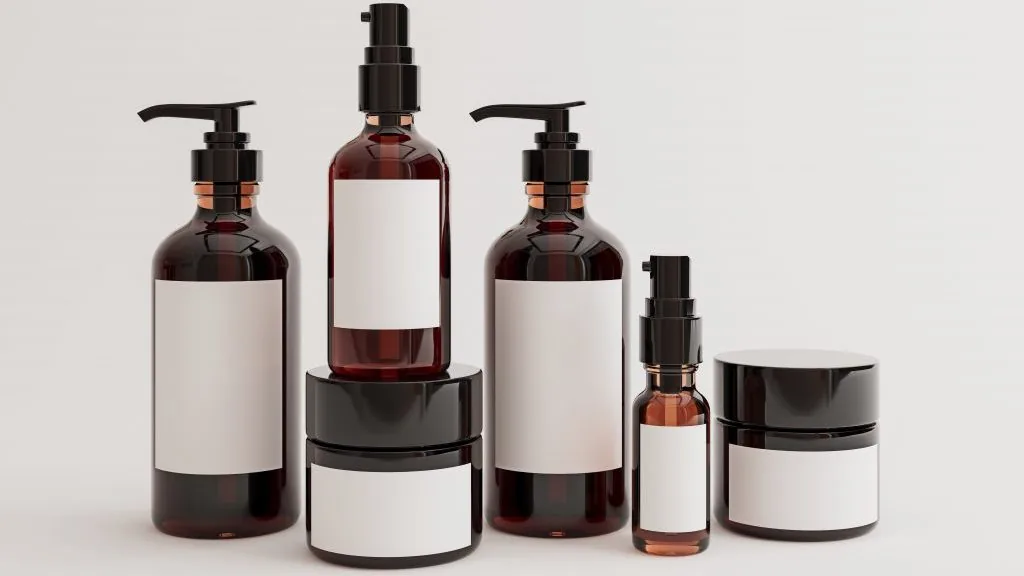
Five places to find white label products
| Channel | Good for | Watch out for |
|---|---|---|
| Alibaba.com | Export-ready suppliers that list logo and packaging customization, in English, with Trade Assurance | Customization minimums; resellers presenting themselves as factories |
| 1688.com | Domestic factories, the widest range of generic stock and the lowest listed prices | Chinese only, paid in RMB, delivered inside China (see our 1688 guide) |
| Trade fairs | Handling products and meeting many factories in a day; the Canton Fair runs twice a year in Guangzhou, in spring and autumn, in three phases by product category | Travel costs, and every booth still needs checking afterwards |
| Your current bestsellers | A product your store has already proven, traced back to its factory and rebranded | The factory may sell the same item to others, so your edge has to come from branding, bundles and service |
| A sourcing agent | Comparing factories, negotiating branding minimums and checking quality on your behalf | How the agent is paid; ask for the fee as a separate number |
The fourth channel is the one most stores overlook. If you already sell a product sourced from a catalog or AliExpress, you know it sells. Branding that exact item is a smaller bet than launching something new.
What makes a product a good white label candidate
- Branding can be added without new tooling: printing, engraving, a sewn label, a sticker or simply the packaging.
- The design is genuinely generic, not a copy of a branded product's shape, pattern or logo.
- It's light and compact, so shipping doesn't eat the margin you gained by branding it.
- Quality is easy to check: fewer moving parts means fewer surprises between batches.
- The rules are manageable. Cosmetics, children's products and electronics are all possible, but they need extra work (see step 6).
The 7-step check before you order
- Margin after landed cost. Add product, branding, packaging, shipping, fulfilment and US duties. Since 2025, every parcel from China to the US pays duties, so a product that only worked under the old duty-free rule may not work now.
- Intellectual property. Search your brand name in the USPTO trademark database before you print it on anything, and make sure the product isn't a protected design from another brand. A takedown after launch costs more than the check.
- Supplier check. Confirm whether you're talking to the factory or a trader, and whether the logo work is done in-house or sent out. Our guide to sourcing agents for dropshipping covers how to tell.
- Side-by-side samples. Order the same item from two or three suppliers. Compare material, finish, smell, weight and packaging, and keep the winner as your reference sample.
- Branding method and minimum. Each method has its own minimum: a printed box differs from laser engraving or a custom label. Stickers and insert cards are the lowest-commitment way to start; product-level branding can follow once the product proves itself.
- Compliance for your category. Putting your name on a product puts the responsibility on you too:
- Cosmetics and skincare: under the US Modernization of Cosmetics Regulation Act (MoCRA), the company whose name appears on the label is the "responsible person". It must report serious adverse events to the FDA within 15 business days, keep records showing the product is safe, and list each product with the FDA unless it qualifies for the small-business exemption.
- Children's products and other goods that need a US consumer-safety certificate: since July 8, 2026, importers of most such products must file the certificate data electronically with each customs entry, and the CPSC says there's no low-value shipment exemption from this.
- Everything else: ask the supplier for existing test reports and check that they match the product you're actually buying.
- A small first batch, inspected. Check the bulk goods against your reference sample before they leave the factory or warehouse: logo position, color, packaging and function.
Questions to send a white label supplier
Copy these into your first message. The answers sort serious manufacturers from listing collectors quickly:
- Do you make this item in your own factory, and is the logo applied in-house or by a partner?
- Which branding methods do you offer for this item, and what's the minimum quantity for each?
- Can you sell me unbranded stock now and switch to branded units later, from the same production line?
- Which test reports do you already hold for this exact item, and how old are they?
- If a material or component supplier changes between batches, how will you tell me?
Vague answers to the last two are a good reason to keep looking, especially in regulated categories.
Common mistakes
- Choosing the branding before the product. Logo mockups are fun; margin and samples come first.
- Trusting catalogue photos. White label listings often reuse the same images across many sellers. Only a sample tells you which supplier makes the version in the photo.
- Ordering the custom minimum straight away. Start with branded packaging on stock product, then move to custom once reorders are predictable.
- Skipping the compliance step for "simple" products. A face cream or a kids' toy is simple to source and not simple to sell.
How PackQuay helps with white label
Send us the product you sell today or a photo of what you want. We find the factory, compare options and order samples, then add your branding: logo printing, stickers, insert cards or custom boxes. Labelling and kitting cost $7 per hour per person, packaging is quoted per design and volume, and private label adds 2.5% to the sourcing fee. Every batch is checked on arrival (20% free), stored free for the first 2 months, and shipped order by order under your brand. See packaging and branding, or message us on WhatsApp.
FAQ
Where can I find white label products?
On B2B marketplaces such as Alibaba.com and 1688, at trade fairs like the Canton Fair, by tracing the factory behind a product you already sell, or through a sourcing agent who compares factories for you.
What is the difference between white label and private label?
A white label item is the same product sold by many brands, each adding its own name and packaging. A private label product is built to one brand's own specification and is often exclusive to it.
What is the minimum order for white label products?
It depends on the product and the branding method. Stickers, inserts and printed packaging usually start lower than branding on the product itself, and buying from existing stock avoids a production minimum.
Am I responsible for a white label cosmetic made by someone else?
In the US, yes. Under MoCRA, the company named on the label is the responsible person for adverse event reporting, safety records and, unless exempt as a small business, product listing with the FDA.
Can I dropship white label products?
Yes. Buy a batch into a fulfillment warehouse in China, have it branded there with stickers, insert cards or printed boxes, and every order then ships to your customer looking like your product.