
Senior Dog Food From China? What You Can and Can't Sell in 2026
Quick answer: For most online stores, sourcing dog food, treats or chews in China to sell in the US isn't worth it. At the border, pet food is treated much like human food. The factory must be registered with the FDA, and every shipment needs FDA prior notice (for a mailed parcel, before it is even sent). A US importer must verify the foreign supplier. Recipes with meat, dairy or other animal-derived ingredients generally need a USDA permit, and most states require each product to be registered before it goes on sale there. If you want to serve owners of senior dogs, buy the food from a US manufacturer and source the non-food side in China: slow feeders, raised bowls, lick mats, orthopedic beds, ramps and support harnesses.
Two halves of the senior dog niche
Older dogs eat more slowly, have stiffer joints and weaker teeth, and struggle with stairs and slippery floors. Their owners spend in two ways:
- Consumables: softer food, low-fat recipes, dental chews, soft treats and joint supplements. These bring repeat orders, but they are regulated as animal food (or as animal drugs, depending on the claims).
- Equipment: things that make daily life easier for an aging dog. These are ordinary consumer goods, and they are what Chinese factories make well.
One thing that surprises new sellers: there is no official "senior" standard for dog food. AAFCO, whose model rules most states adopt, publishes nutrient profiles for growth and reproduction and for adult maintenance only. A "senior" food is an adult maintenance food that the brand has adjusted, usually with fewer calories, more fiber or added joint ingredients. "Senior" on the bag is a marketing term, not a regulatory one.
What importing pet food from China involves
None of these steps is impossible for a large importer. Together, they don't fit a store that ships single parcels from a supplier in China.
| Requirement | What it means | Who carries it |
|---|---|---|
| FDA food facility registration | The factory is registered with the FDA as an animal food facility, renews every two years and names a US agent. Food from an unregistered facility is held at the port. | The factory |
| FDA prior notice | The FDA is told about every shipment before it arrives. For international mail, the notice must be filed and confirmed before the parcel is sent, with the confirmation number on the customs declaration. Without it, the parcel is held and can be refused and returned. | Whoever ships it, usually the seller |
| Foreign Supplier Verification Program (FSVP) | The US owner or consignee at entry must verify that the foreign supplier meets US safety standards and keep the records. | The US importer |
| USDA APHIS permit | Generally needed for animal food containing animal-origin material (meat, dairy, rendered ingredients) from countries with livestock diseases that don't exist in the US. | The US importer |
| Ingredients and label | No pre-market approval, but every ingredient must be an approved additive, generally recognized as safe, or defined by AAFCO, and the label must meet FDA rules. | The brand on the label |
| State registration | Almost every state requires product registration or a feed license before sale, internet sales included. Each state has its own forms and fees, and labels are reviewed. | The brand on the label |
Supplements follow the same path. There is no "dietary supplement" category for pets: the FDA treats them as animal food or as animal drugs depending on what they claim. A chew that says it treats arthritis is making a drug claim.
There is also a trust problem. From 2007 the FDA investigated illnesses linked to jerky pet treats. Its last public update counted complaints involving more than 6,200 dogs through 2015, over 1,140 of which died, and a joint study with the CDC found the illnesses highly associated with jerky treats from China. The FDA never pinned down a single cause. Whatever the risk is today, that history is what a careful dog owner finds first when they look up where your treats come from.
If you want food in your range
- Resell an established US brand. Buy wholesale and check the brand's rules for online resellers. Its registrations and labels are already done.
- Private label with a US manufacturer. Some US pet food makers produce under your brand. Ask who handles state registrations and label review, and what the minimum order is.
- Leave food to others. Sell the equipment and link to food brands you trust. You keep the senior dog audience without the food rules.
Whichever you choose, don't put "vet approved" or disease claims on anything unless you can back them up.
Senior dog products that do work from China
These are the products where sourcing in China makes sense. Each one solves a daily problem that owners of older dogs already search for.
| Product | Why owners buy it | Sourcing notes |
|---|---|---|
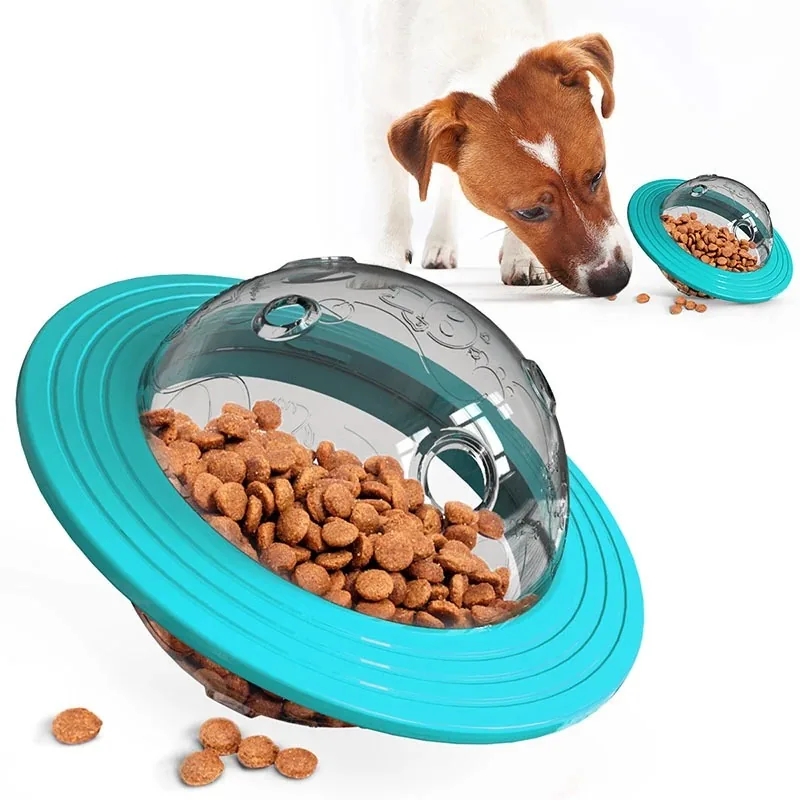
| Slow feeder or puzzle bowl | Slows fast eaters, keeps the dog's mind busy | Food-contact test report for the plastic or silicone; check the base doesn't slide |
| Raised bowl stand | Less bending for stiff necks and backs | Stable at full height; ask which stainless steel grade the bowls are; no sharp rims |
| Lick mat | Calming, and works with soft or wet food | Food-contact report, thickness, corners that don't tear |
| Orthopedic foam bed | Takes pressure off sore joints | Foam density in writing, washable cover with a solid zipper, ships compressed |
| Ramp or pet steps | Onto the sofa, bed or car without jumping | Load-test a sample at the rated weight, non-slip surface, hinges that lock |
| Rear support or lift harness | Helps the owner lift weak back legs | Stitching and buckle strength, a size chart that matches the product |
| Non-slip socks or paw grips | Grip on hard floors | Sizing, grip that stays on after a wash |
Keep the copy to comfort and support. "Helps your dog get onto the sofa" sells the product without a medical promise.
QC and shipping notes for the bulky items
- Beds: unroll a compressed sample and check it recovers its full height and doesn't smell strongly of chemicals. Check that cover sizes match the foam.
- Ramps and steps: test a sample with weights at the rated maximum. Check that hinges lock and that the surface grips under a damp paw.
- Bowls and stands: look for rust spots, sharp rims and wobbly legs.
- Harnesses: pull-test stitching and buckles on samples, and measure each size against your chart.
- Volume, not weight: beds and ramps are light for their size, so carriers bill them on dimensions. Vacuum-packed beds and flat-packed steps cut the cost of every order. Once a bulky item sells steadily, shipping it in bulk to a US warehouse is usually cheaper than sending each one from China.
Our inspection service handles these checks, and the 3PL page explains how overseas warehouse stock works. For the enrichment side of the niche, see our guide to sourcing dog puzzle toys.
How PackQuay helps
We work on the non-food side of the senior dog niche: sourcing feeders, lick mats, beds, ramps and harnesses from factories in China, inspecting 20% of every batch free (extra inspection $7 per person per hour) and packing orders under your brand. Bulky best sellers can move to an overseas 3PL warehouse for 1–5 day delivery. For food and treats, the FDA, USDA and state filings sit with a US importer and brand owner, so plan those with a US partner. Send us the products you're considering on WhatsApp and we'll quote samples and landed cost.
FAQ
Can I dropship dog food from China to the US?
It's legally possible but impractical. The factory must be FDA-registered, each parcel needs FDA prior notice filed before it is mailed, a US importer must verify the supplier, recipes with animal-derived ingredients generally need a USDA permit, and most states require product registration before sale.
Do dog treats from China need FDA approval?
Pet food doesn't need pre-market approval, but it must be safe, use acceptable ingredients and carry a compliant label. The factory must also be registered with the FDA, and every shipment needs prior notice.
Do I have to register dog food with each US state?
In most cases, yes. Almost every state requires product registration or a feed license before pet food is sold there, and that includes online sales shipped into the state. Fees and forms vary by state.
Is there an official standard for senior dog food?
No. AAFCO nutrient profiles cover growth and reproduction and adult maintenance only, so a "senior" food is an adult maintenance food adjusted by the brand. Check the nutritional adequacy statement and calorie content on the label.
What senior dog products can I source from China?
Non-food products work well: slow feeders, raised bowl stands, lick mats, orthopedic foam beds, ramps and steps, support harnesses and non-slip socks. Ask for food-contact test reports for anything that touches food, and load-test ramps and steps on samples.