
Sourcing Cleaning Products From China: Shipping and Label Rules
Quick answer: Split the category in two before you source anything. Cleaning tools (brushes, mops, cloths, squeegees, cordless scrubbers) are ordinary goods: light, cheap to ship and easy to inspect. Cleaning chemicals (sprays, liquids, gels, tablets) are a different business. Aerosols, flammable liquids and corrosives such as bleach or drain cleaner count as dangerous goods and are banned from international mail. Even safe liquids need a safety data sheet before most air lines will take them. And any product that claims to kill germs, bacteria or mites is a pesticide in the US and has to be registered with the EPA. For most stores the practical answer is to source tools from China, and to sell chemicals only if they are made, or already registered and labeled, for the US market.
Tools vs. chemicals: two different supply chains
| Cleaning tools | Liquid and spray cleaners | |
|---|---|---|
| Examples | Brushes, mops, microfiber cloths, window groove brushes, squeegees, cordless scrubbers | Kitchen degreasers, bathroom sprays, toilet tablets, carpet shampoo, mite sprays |
| Shipping from China | Standard parcel lines; battery tools need lines that accept batteries | Restricted: safety data sheet and often a transport test report; many lines refuse them |
| US rules that matter most | Product safety, plus battery rules for powered tools | EPA pesticide registration for germ or pest claims; CPSC hazard labels; state ingredient disclosure |
| Leak and damage risk | Low | High: one leaking bottle can ruin a whole carton |
| Best place to make it | China | Often a US or local filler, or bulk freight to an overseas warehouse |
The rest of this guide covers both columns: what to check when you source tools, and what you have to sort out before a single bottle of cleaner ships.
Shipping limits for sprays, liquids and powders
Carriers sort cleaners by hazard class, not by how harmless they look on a shelf:
- Aerosols (spray cans) are compressed gases. USPS lists all gases as prohibited in outbound international mail.
- Flammable liquids, such as alcohol-based sprays and some solvent cleaners, are also prohibited in international mail.
- Corrosives, which USPS examples include bleach, ammonia and drain cleaners, are prohibited internationally as well.
- "Safe" liquids, gels and powders are not banned, but most air lines out of China treat them as sensitive goods. Expect to provide a safety data sheet (SDS/MSDS) with the transport section filled in, and often an air transport identification report from a Chinese testing institute showing the product is not dangerous goods.
Two practical consequences. First, expect fewer shipping lines and higher rates for any liquid, and pack each bottle with a sealed cap, a shrink band and its own bag so a leak stays inside. Second, never let a supplier or a shipping line describe a dangerous product as something else to get it on board. Shipping dangerous goods under a non-dangerous name is illegal, and it is the kind of shortcut that gets parcels destroyed and accounts closed.
If a chemical product sells well, the realistic route is to have it filled near your market, or to send it in bulk by sea freight with the correct dangerous goods paperwork to a warehouse in the destination country, instead of shipping single bottles from China.
US rules for chemical cleaners
1. Germ, bacteria and mite claims need EPA registration
Under the federal pesticide law (FIFRA), what makes a cleaner a pesticide is the claim, not just the chemistry. A spray that "removes grease and soap scum" is a cleaner. The same spray labeled "kills 99.9% of germs", "antibacterial" or "eliminates dust mites" is a pesticide, and it has to be registered with the EPA before it can be sold. The EPA counts claims wherever they appear: the label, your product page, your ads, even your product name. Importers also have to file an EPA Notice of Arrival before a pesticide shipment reaches the US, and the EPA can ask customs to refuse entry to unregistered products. Many "mite removal" and "sterilizing" sprays on 1688 are not registered in the US. If you list them with the supplier's claims, you take on that problem.
2. Hazard labels under the Federal Hazardous Substances Act
Household chemicals that are toxic, corrosive, irritating or flammable need cautionary labeling enforced by the CPSC: a signal word (DANGER, WARNING or CAUTION), the main hazard, precautions, first aid where relevant, "Keep out of reach of children", and the name and address of the maker, packer, distributor or seller. The signal word and hazard statement go in capital letters on the front panel. A Chinese label, or a factory label with English added as an afterthought, won't meet this.
3. Chemical import paperwork
Imported cleaning mixtures also need a TSCA import certification filed by the importer or customs broker, stating the chemicals comply with US chemical rules. Your broker or freight forwarder handles the filing, but you need ingredient information from the supplier to support it.
4. State ingredient disclosure
California's Cleaning Product Right to Know Act requires ingredient disclosure on the label and on the manufacturer's website for general cleaning, air care and polish products sold in the state. A private-label brand counts as the manufacturer, so if your name is on the bottle, the disclosure is yours.
None of this is a reason to avoid the category, but it is a reason not to treat a cleaning spray like a phone case. If you want to sell a chemical under your own brand, work with a regulatory consultant or a US contract filler who already handles registration and labeling.
Sourcing cleaning tools: what to check
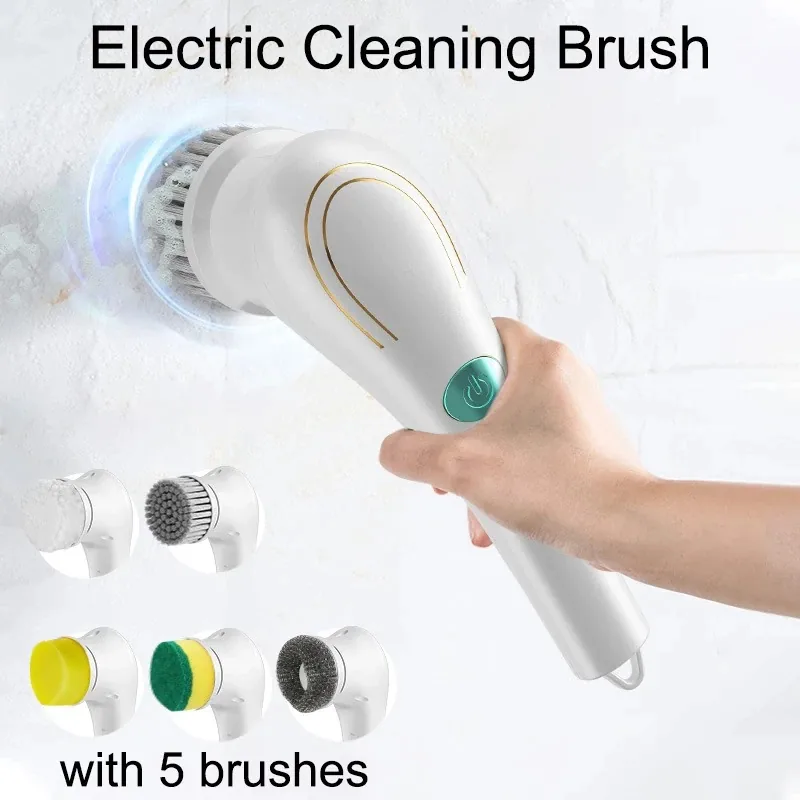
Tools are where China is strongest, and where most quality complaints are preventable with a simple checklist:
- Bristles and heads. Pull on a few bristles; they shouldn't come loose. Swap heads on and off a few times to check the fit.
- Handles and joints. Extend telescopic handles fully and lock them. Mops and brooms usually fail at the joint, not the head.
- Microfiber weight. Cloth weight (GSM) is easy to cut quietly. Weigh a few cloths against the approved sample.
- Batteries in powered tools. Cordless scrubbers and handheld vacuums contain lithium batteries. Ask for the UN 38.3 test summary, check the charging cable and plug type for your market, and confirm the shipping line accepts batteries.
- Water resistance. If the listing says waterproof, ask for the rating in writing and test a unit under the tap.
- Bundle count. "Set of 6 cloths" or "5 brush heads" should be counted on a sample of units.
We check 20% of every batch free; if you'd rather check every unit, extra inspection is $7 per person per hour. Our inspection page explains what a report includes.
Packing and landed cost
- Long handles cost money. A mop with a fixed handle travels in a long, light box that carriers bill by size. Collapsible or screw-together handles ship for less.
- Bundle refills. Spare mop pads, brush heads and cloths add little weight and turn a one-off sale into a repeat order. A 2-SKU order at our 1–19 orders-a-day rate costs $2.00 + $1.00 = $3.00 to pick and pack.
- Keep powered tools charged to a safe level and switched off in the box, with the switch protected so it can't turn on in transit.
- Price in US duties. Parcels from China no longer enter the US duty-free, so quote landed cost and ship duties paid.
Our international shipping guide covers line choice and duties in more detail, and our pricing page lists every fee.
How PackQuay helps
We source cleaning tools from Chinese factories, check them at our warehouse in Xinxiang, and pack them under your brand with refills bundled into one parcel. For battery-powered tools we confirm the shipping line before you commit. For liquid or spray cleaners, send us the product and its safety data sheet first, and we'll tell you honestly whether it can ship from China at all. Message us on WhatsApp.
FAQ
Can I ship cleaning sprays from China to US customers?
Aerosol sprays, flammable liquids and corrosives such as bleach are dangerous goods and are banned from international mail. Non-hazardous liquids can travel on some lines, usually with a safety data sheet and a transport test report, so check before you list the product.
Does a "kills germs" cleaner need EPA registration?
Yes. In the US, a product that claims to kill or control germs, bacteria, mites or other pests is a pesticide under FIFRA and must be registered with the EPA. The claim counts wherever it appears, including your product page and ads.
What has to be on a US cleaning product label?
Hazardous household chemicals need a signal word such as WARNING or CAUTION, the main hazard, precautions, first aid where relevant, a keep-out-of-reach-of-children statement and the name and address of the maker or seller. California also requires ingredient disclosure for many cleaning products.
Which cleaning products are easiest to source from China?
Non-powered tools such as brushes, mops, microfiber cloths and window groove cleaners. They are light, safe to ship and easy to inspect. Cordless tools work too, but they need battery paperwork and a shipping line that accepts batteries.
How do I keep bottles from leaking in transit?
Use screw caps with an inner seal, add a shrink band, bag each bottle separately and pack them upright with padding. Test one packed carton before you commit to a full order.